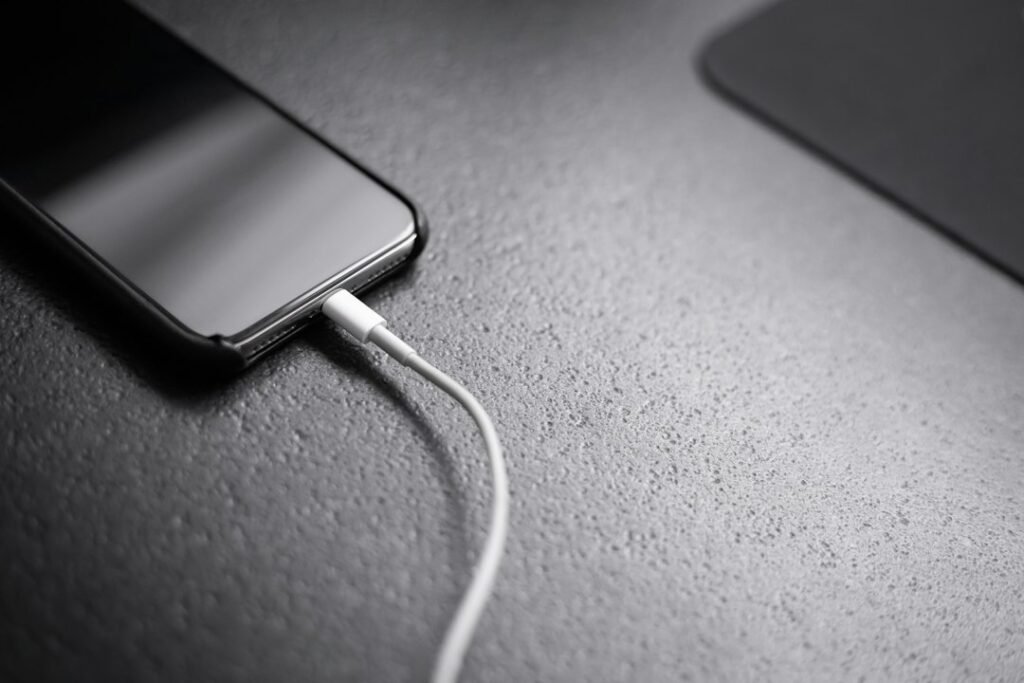
Quick answer: Qi2 25W is the current high-speed generation of the Qi2 wireless charging standard. The Wireless Power Consortium (WPC) launched Qi v2.2.1, branded Qi2 25W, in July 2025. It increases certified wireless charging power beyond the original 15W Qi2 level while retaining magnetic alignment designed to improve positioning and interoperability. In 2026, the safest buying strategy is to verify that both the phone and charger support the exact Qi2 power level you want and to check the product in the WPC certification database rather than trusting a marketplace title.
This is a research-based technology and buying guide, not a hands-on charging-speed test. Actual charging speed varies with phone model, battery temperature, state of charge, power adapter and device firmware.
Affiliate disclosure: this guide contains an Amazon Associate link. As an Amazon Associate, Vector Insight Global earns from qualifying purchases. We recommend verifying official Qi certification before buying any charger.
What is Qi2 25W?
Qi2 25W is the branding used for Qi v2.2.1, a newer version of the Wireless Power Consortium’s Qi standard. The original Qi2 generation introduced magnetic alignment and certified charging up to 15W for compatible mobile devices. Qi2 25W builds on that design with a higher power level.
The WPC says Qi2 25W delivers nearly 70% more charging power than original Qi2 and can charge a compatible smartphone battery from 0% to 50% in about 30 minutes under suitable conditions. That claim describes the capability of the standard and compatible certified devices; it does not mean every phone will reproduce the same time in every room or with every power adapter.
Primary source: Wireless Power Consortium: Qi wireless charging.
Why magnetic alignment matters
Wireless charging is most efficient when the transmitting coil in the charger and receiving coil in the phone line up correctly. Poor alignment can reduce transferred power and create extra heat. Qi2’s magnetic attachment system helps position compatible devices consistently over the charging coil.
That improves convenience because users do not have to carefully hunt for the charging “sweet spot.” It also creates a more predictable accessory ecosystem for stands, car mounts and other magnetically attached products.
Qi vs Qi2 vs Qi2 25W
| Standard | Key idea | Typical headline power | Magnetic alignment |
|---|---|---|---|
| Earlier Qi | Universal wireless charging ecosystem | Varies by version/device | Not a required Qi feature |
| Qi2 | Magnetic alignment plus improved interoperability | Up to 15W for original Qi2 | Yes for the magnetic power profile |
| Qi2 25W | Higher-speed Qi2 generation | Up to 25W for compatible certified devices | Yes |
The table is intentionally simplified. Wireless charging products can support different Qi profiles and device-specific behavior. The certification record for the exact product is more reliable than a generic product-family label.
How much faster is Qi2 25W?
The power ceiling rises from 15W to 25W, but charging time does not scale perfectly with wattage. Smartphone charging systems reduce power as the battery fills, and they respond to heat, battery health and device limits. The fastest part of a charging session typically occurs at lower states of charge; the final portion slows to protect the battery.
The WPC’s “0 to 50% in about 30 minutes” figure is useful as a standards-level reference, but real-world results need to be checked for the exact phone and certified charger combination.
Does every Qi2 phone charge at 25W?
No. A phone that supports original Qi2 does not automatically support Qi2 25W. The charger and phone negotiate power within their supported capabilities. If the phone is limited to a lower level, a 25W charger cannot force it to accept 25W.
Before buying, verify the phone manufacturer’s specification and the WPC certification entry. This is especially important when a marketplace listing uses phrases such as “Qi2 compatible” without stating the certified power profile.
Do you need a special power adapter?
A wireless charging pad cannot deliver more power than it receives from its wired input. A 25W wireless output also has conversion losses, so the charger may require a USB-C power adapter rated above 25W and may require a particular USB Power Delivery profile.
Do not assume an old 20W phone adapter will unlock the charger’s maximum wireless output. Follow the charger’s documented input requirement. Some products include an adapter; others include only a cable.
Why certification matters more than the logo in a listing title
The Wireless Power Consortium says Qi Certified products undergo testing for safety and interoperability at authorized independent laboratories before they are permitted to use the Qi or Qi2 logo. WPC also maintains a searchable certified-products database.
A marketplace seller can place many words in a product title. Certification is stronger evidence because it refers to a tested product record. Before buying an unfamiliar brand, search the exact model in the WPC database.
Official source: WPC Certified Products Database.
Heat: the real enemy of fast wireless charging
Wireless charging creates heat through electrical conversion and coil losses. Phones also generate heat while charging the battery. When temperature rises, the device may reduce charging power to protect the battery and internal components. This means a “25W” charger may not sustain 25W for the entire session.
Cases, direct sunlight, a hot car interior and intensive phone use can all affect temperature. For fast charging, use a compatible case, avoid trapping the charger under fabric and keep the phone out of unusually hot environments.
Does a phone case affect Qi2 25W?
It can. Thick cases, metal plates and poorly positioned magnets can weaken alignment or increase distance between the coils. Use a case designed for the phone’s magnetic charging system and confirm that it supports Qi2 if you rely on magnetic accessories.
A metal ring or mounting plate placed between the charger and phone can interfere with wireless charging and should not be added casually just to make a non-magnetic case stick to a mount.
Qi2 25W for overnight charging
You do not need maximum charging power overnight. Modern phones generally manage battery charging, but users who leave a device on a charger for many hours may prioritize stable alignment, low noise and good thermal design over maximum wattage.
If the phone offers optimized charging or a battery charge limit, those features can be more relevant to long overnight sessions than the charger’s peak number.
Qi2 25W for travel
Magnetic charging stands and compact pads can simplify a travel kit, but remember that a wireless charger still needs a cable and sufficient USB-C power source. A single high-quality USB-C power adapter with multiple ports can often charge the phone, laptop and wireless pad more efficiently than carrying several bricks.
If you also carry a power bank, read our international travel power-bank checklist for airline capacity and USB-C considerations.
Qi2 25W in cars
A magnetic mount is useful because it positions the phone consistently, but cars are thermally challenging. Sunlight through the windshield and warm dashboards can raise temperatures before charging even starts. Some automotive wireless chargers use active cooling or airflow for this reason.
Do not judge a charger only by peak wattage. Mount stability, viewing angle, ventilation and secure installation matter more during driving.
Can Qi2 25W damage a battery?
A certified charging system is designed to manage power and temperature within supported limits. Battery aging is influenced by many factors, including heat, time at high state of charge, charge cycles and device-specific battery management.
The practical rule is simple: avoid excessive heat, use certified accessories and let the phone’s battery-management system control charging. Faster charging is not automatically harmful, but sustained high temperature is undesirable.
Will older Qi chargers still work?
Compatibility depends on the device, but the Qi ecosystem is built around interoperability. A newer phone may charge on an older Qi pad at a lower supported level. Likewise, a new Qi2 charger can often charge older Qi devices without providing the newest magnetic or high-power benefits.
Always verify the exact combination for mission-critical use such as an in-car mount or travel setup.
Qi2 25W vs wired USB-C charging
Wired charging still has advantages. It is typically more energy efficient, can support very high power levels and creates less alignment uncertainty. Wireless charging wins on convenience: place the phone on a stand or pad without plugging and unplugging a connector.
Qi2 25W narrows the speed gap for compatible phones, but it does not make cables obsolete. Many users will prefer wireless charging at a desk or bedside and wired charging when they need the fastest possible top-up.
What about future Qi2 50W?
Wireless charging standards will continue to evolve. WPC has publicly discussed development work around a proposed Qi2 50W generation for a future release. That should not stop a buyer from purchasing a needed charger now. Proposed future standards can change, and existing phones need compatible receiver hardware to benefit.
Buy for the devices you own and the replacement cycle you expect, not for an unfinalized specification.
How to buy a Qi2 25W charger in 2026
- Verify phone support. Check the manufacturer’s current specification for Qi2 and supported wattage.
- Search WPC certification. Match the exact charger model in the official product database.
- Check the power adapter requirement. Make sure your USB-C adapter can supply the required input profile.
- Confirm cable rating. Use the included or recommended cable, especially for higher input power.
- Consider the form factor. A flat pad, desk stand, folding travel charger and car mount solve different problems.
- Check case compatibility. A good magnetic case should preserve alignment without metal interference.
- Look for thermal design. Active cooling is not required for every charger, but compact high-power chargers need to manage heat well.
- Ignore vague speed claims. “Fast wireless charging” is less useful than a certified standard and exact supported wattage.
You can browse current wireless chargers on Amazon India. Before buying, verify the exact model in the WPC database and confirm your phone’s supported power level.
Qi2 and the broader 2026 device ecosystem
Charging standards are one part of a larger shift toward more capable mobile hardware. Faster local AI models can increasingly run on laptops and devices without sending every request to the cloud. Our Small Language Models vs LLMs guide explains why on-device AI matters for privacy and latency.
For home and office connectivity, see Wi‑Fi 7 vs Wi‑Fi 6E in 2026.
Why charging standards matter to agentic commerce
AI shopping agents need precise compatibility data. “Wireless charger for iPhone and Android” is not enough. An agent should know whether a charger is Qi2 certified, whether it supports 25W, which phone models support that power level and whether a power adapter is included. Our agentic commerce guide explains why structured product attributes are becoming more important.
Related AI and developer guides
If you are building the software behind smarter devices or shopping systems, read Best AI Coding Agents in 2026 and our Model Context Protocol guide. These articles cover the agent software layer that increasingly connects to real products and services.
FAQ: Qi2 25W
What is Qi2 25W?
Qi2 25W is the WPC branding for Qi v2.2.1, a faster Qi2 wireless charging standard with a power level up to 25W for compatible certified devices.
Is Qi2 25W the same as MagSafe?
They are related through magnetic alignment technology and ecosystem history, but Qi2 is an industry standard managed by the Wireless Power Consortium. Buyers should verify the specific certification and phone support rather than assuming every magnetic charger has the same capabilities.
Will a 25W charger make every phone charge at 25W?
No. The phone must support the corresponding power level, and the charger, adapter, cable and thermal conditions must also allow it.
How can I tell if a Qi2 charger is genuine?
Search the exact model in the Wireless Power Consortium’s certified-products database. A marketplace title alone is not proof of certification.
Does Qi2 25W need a USB-C PD adapter?
Many chargers require a sufficiently powerful USB-C adapter and may specify particular Power Delivery requirements. Follow the charger’s official input specification.
Is Qi2 25W safe for overnight charging?
Certified chargers and modern phones manage charging power, but maximum speed is unnecessary overnight. Use a certified charger, avoid excessive heat and enable your phone’s battery-optimization features if available.
Is wireless charging less efficient than wired charging?
Generally yes, because wireless power transfer has conversion and alignment losses. Magnetic alignment can improve efficiency, but a cable remains the more direct energy path.
Should I wait for Qi2 50W?
Not if you need a charger today. Future standards require compatible phones and accessories, and proposed specifications can change before release.
Bottom line
Qi2 25W makes wireless charging faster without abandoning the interoperability and magnetic alignment that made Qi2 useful. The smartest purchase is not simply the cheapest charger advertising “25W.” Verify the phone, charger certification, power adapter and case as one system. A certified 15W charger that works reliably with your phone is better than an uncertified “25W” product that never reaches its claim.
Sources and methodology
Primary information comes from the Wireless Power Consortium, including the Qi standard overview, certified-products database and WPC’s Qi2 25W launch materials. Charging performance and compatibility vary by device, so verify current manufacturer documentation for the exact phone and charger.
Keep exploring Gadget Guides
 Gadget Guides
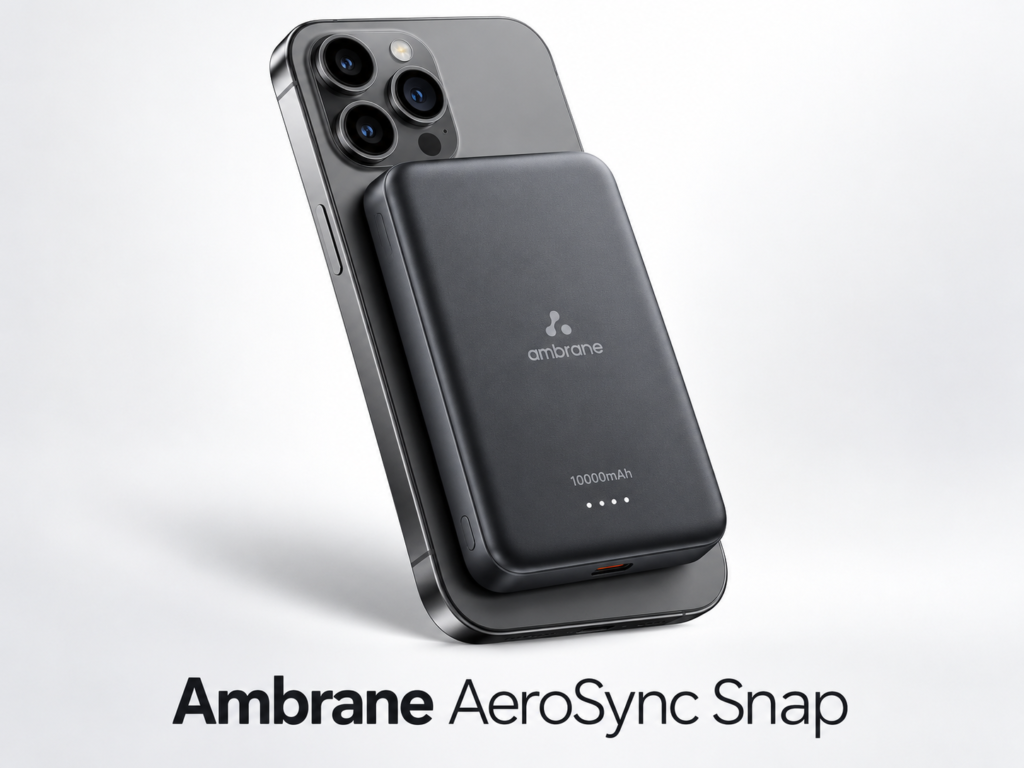
Best Magnetic Power Banks in 2026: 3 Practical Picks
Compare three 10,000mAh magnetic power banks for charging speed, portability and everyday use, with direct Amazon product links and buying advice.
 Gadget Guides
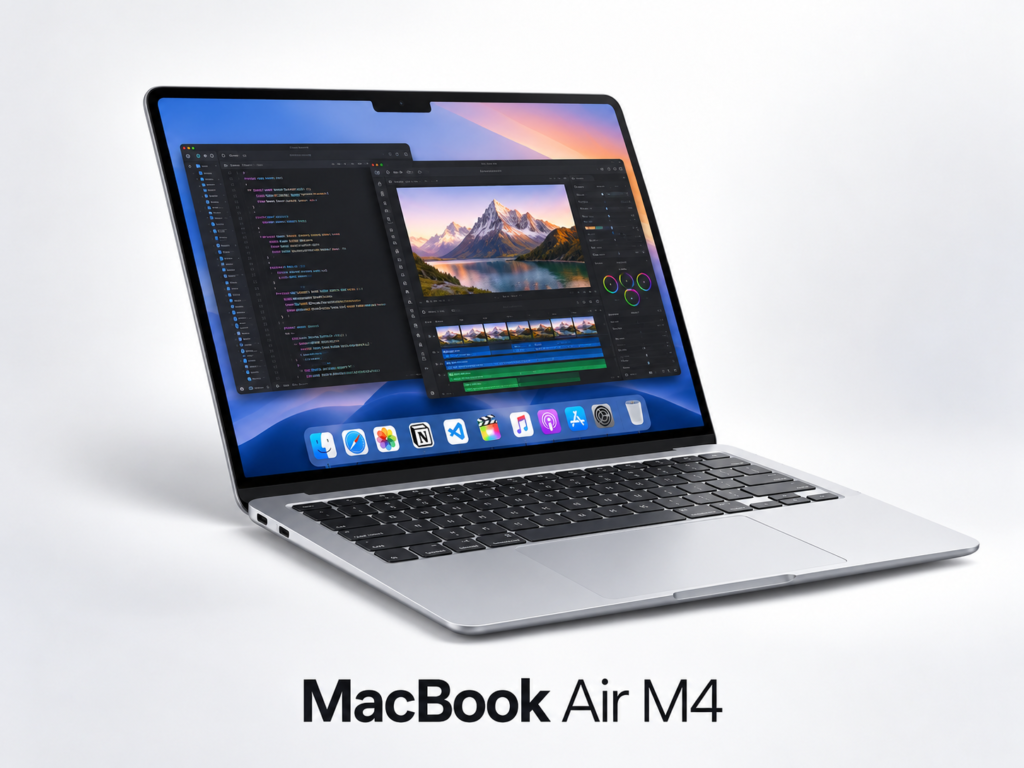
MacBook Air M4 for AI & Coding: Is 16GB Enough?
A practical MacBook Air M4 buying guide for AI-assisted work, coding and content creation, with direct Amazon links and accessory recommendations.